Imagine sinking into your favorite armchair, ready to dive into a blockbuster movie or catch up on a gripping series, all without a single sound disturbing anyone else in the house. This is the promise of Bluetooth headphones for TV: a world of private, high-fidelity audio that transforms your viewing experience. But connecting headphones to your television can sometimes feel like navigating a maze, fraught with concerns about audio lag, compatibility, and finding the perfect pair.
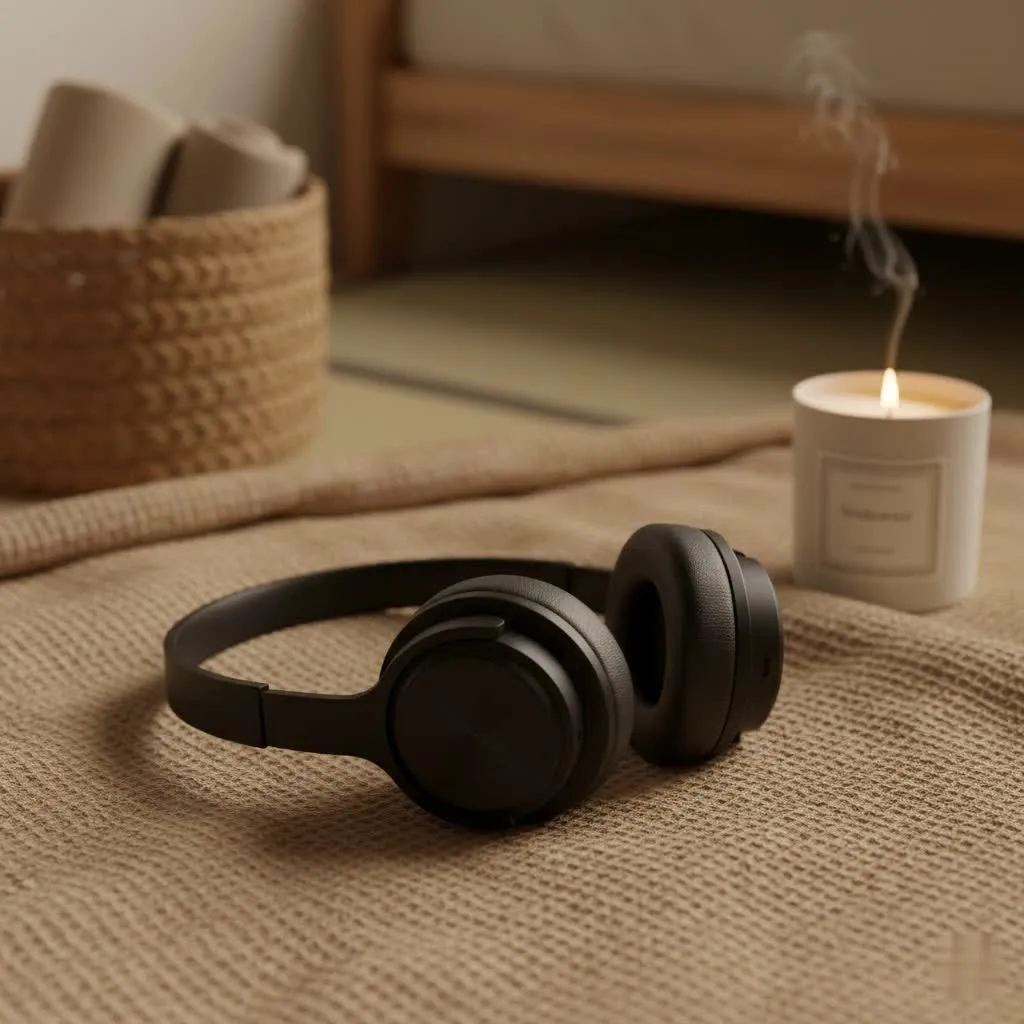
This comprehensive guide will demystify the process, helping you choose the best Bluetooth headphones for your TV and set them up for crystal-clear, perfectly synchronized sound. Say goodbye to wires, distractions, and lip-sync issues, and prepare for an audio journey that puts you at the heart of the action.
Types of Wireless Headphones Ideal for TV Viewing
When considering Bluetooth headphones for your TV, you’ll encounter a variety of styles, each offering distinct advantages for home entertainment. Understanding these differences will help you pinpoint the best fit for your habits and preferences.
Over-Ear Bluetooth Headphones
|
Our Picks for the Best Bluetooth Headphones in 2026
As an Amazon Associate I earn from qualifying purchases.
|
||
| Num | Product | Action |
|---|---|---|
| 1 | Apple AirPods 4 Wireless Earbuds, Bluetooth Headphones, Personalized Spatial Audio, Sweat and Water Resistant, USB-C Charging Case, H2 Chip, Up to 30 Hours of Battery Life, Effortless Setup for iPhone |

|
| 2 | JBL Tune 720BT - Wireless Over-Ear Headphones with JBL Pure Bass Sound, Bluetooth 5.3, Up to 76H Battery Life and Speed Charge, Lightweight, Comfortable and Foldable Design (Blue) |
|
| 3 | Memorex 3-in-1 Wireless Audio Bundle Triple Pack - MX-HSP3P-II(R) - Bluetooth Headphones - True Wireless Earbuds & Portable Bluetooth Speaker - Bluetooth 5.1 - Hands-Free Calls (Red) |
|
| 4 | JBL Tune 720BT - Wireless Over-Ear Headphones with JBL Pure Bass Sound, Bluetooth 5.3, Up to 76H Battery Life and Speed Charge, Lightweight, Comfortable and Foldable Design (Purple) |
|
| 5 | JBL Tune 720BT - Wireless Over-Ear Headphones with JBL Pure Bass Sound, Bluetooth 5.3, Up to 76H Battery Life and Speed Charge, Lightweight, Comfortable and Foldable Design (White) |
|
| 6 | BERIBES Bluetooth Headphones Over Ear, 65H Playtime and 6 EQ Music Modes Wireless Headphones with Microphone, HiFi Stereo Foldable Lightweight Headsets, Deep Bass for Home Office Cellphone PC Ect. |
|
| 7 | BERIBES Bluetooth Headphones Over Ear, 65H Playtime and 6 EQ Music Modes Wireless Headphones with Microphone, HiFi Stereo Foldable Lightweight Headsets, Deep Bass for Home Office Cellphone PC Ect. |
|
| 8 | BERIBES Bluetooth Headphones Over Ear, 65H Playtime and 6 EQ Music Modes Wireless Headphones with Microphone, HiFi Stereo Foldable Lightweight Headset, Deep Bass for Home Office Cellphone PC Ect. |
|
| 9 | JBL Tune 720BT - Wireless Over-Ear Headphones with JBL Pure Bass Sound, Bluetooth 5.3, Up to 76H Battery Life and Speed Charge, Lightweight, Comfortable and Foldable Design (Black) |
|
| 10 | Apple AirPods Pro 3 Wireless Earbuds, Active Noise Cancellation, Live Translation, Heart Rate Sensing, Hearing Aid Feature, Bluetooth Headphones, Spatial Audio, High-Fidelity Sound, USB-C Charging |
|
Over-ear Bluetooth headphones are a popular choice for TV viewing due to their superior comfort and immersive sound. Their large earcups typically enclose your entire ear, providing excellent passive noise isolation and often housing larger drivers for richer, more detailed audio. This design is ideal for extended watching sessions, such as binge-watching a series or enjoying a long film, where comfort is paramount. Many premium models also include Active Noise Cancellation (ANC), further enhancing your immersion by blocking out ambient household noise.
True Wireless Earbuds for TV
True Wireless Stereo (TWS) earbuds offer the ultimate in portability and discretion. Their compact, cable-free design makes them incredibly convenient for quick listening sessions or for those who prefer a less bulky option. While they might not always match the expansive soundstage or deep bass of high-quality over-ear headphones, many modern TWS earbuds deliver impressive audio quality and can be surprisingly comfortable for moderate periods. Some even feature advanced spatial audio capabilities, creating a more three-dimensional sound experience when watching compatible content.
Dedicated RF Wireless TV Headphones
While this guide focuses on Bluetooth, it’s worth noting the existence of dedicated RF (Radio Frequency) wireless TV headphones. These systems typically come with a base station that connects directly to your TV’s audio output (often via optical or RCA cables) and transmits audio using RF technology. The main advantage of RF headphones is their virtually zero audio lag, which can be superior to standard Bluetooth connections for critical lip-sync performance. However, they are generally less versatile, designed specifically for TV use and often not compatible with other Bluetooth devices like smartphones.
Gaming Headsets
Modern gaming headsets, especially wireless models, are often an excellent, albeit sometimes overlooked, option for TV viewing. Designed for competitive gaming, they prioritize ultra-low latency to ensure perfect synchronization between audio and video, a critical factor for both gamers and movie watchers. Many high-end gaming headsets offer comfortable designs for long wear, robust connectivity, and surprisingly good sound quality, making them versatile companions for both your console and your TV.
Key Considerations When Choosing Bluetooth Headphones for Your TV
Selecting the right Bluetooth headphones for your television involves more than just picking a stylish pair. Several technical specifications and comfort features directly impact your viewing experience.
Low Latency: The Sync Savior
Audio lag, or the dreaded lip-sync delay, is the most common frustration when using Bluetooth headphones with a TV. This occurs because it takes time for the audio signal to travel wirelessly, be processed by your headphones, and reach your ears. For a seamless experience, you need headphones and a transmitter (if applicable) that support low-latency codecs.
The most well-known low-latency codec is aptX Low Latency (aptX LL). When both your TV (or Bluetooth transmitter) and your headphones support aptX LL, the audio delay can be reduced to a virtually unnoticeable level (typically below 40ms). Another advanced codec, aptX Adaptive, aims to balance sound quality and latency dynamically, often providing excellent results, though sometimes with slightly higher latency than aptX LL in its lowest latency mode. Always look for headphones and transmitters that explicitly state support for these codecs if you want to eliminate lag.
Compatibility and Connectivity
Before purchasing, determine your TV’s Bluetooth capabilities.
- Smart TVs with Built-in Bluetooth: Many newer smart TVs (Samsung, LG, Sony, TCL) have integrated Bluetooth. You can usually pair headphones directly through the TV’s sound settings. However, not all built-in TV Bluetooth modules support low-latency codecs, and some might not allow independent volume control via the headphones.
- TVs Without Built-in Bluetooth or for Enhanced Performance: For older TVs, or to guarantee low-latency support, a Bluetooth audio transmitter is essential. These devices plug into your TV’s audio output ports (optical/Toslink, 3.5mm AUX, or RCA) and broadcast the audio signal to your Bluetooth headphones. Ensure the transmitter supports the same low-latency codecs (e.g., aptX LL) as your headphones for optimal performance.
Comfort for Long Viewing Sessions
Movies and TV shows can easily run for hours, making comfort a non-negotiable factor. Look for headphones with:
- Lightweight Design: Reduces strain during extended wear.
- Soft, Breathable Earcups: Materials like velour or memory foam can prevent sweating and discomfort.
- Adjustable Headband: Ensures a secure yet gentle fit.
- Ergonomic Design: Well-distributed clamping force and swiveling earcups adapt to your head shape.
Sound Quality and Immersion
While low latency is key for sync, great sound quality is what truly brings your entertainment to life.
- Driver Type and Size: Larger dynamic drivers often deliver richer bass and a fuller sound.
- Frequency Range: A wider frequency response (e.g., 20Hz-20kHz) indicates the headphones can reproduce a broader spectrum of sounds.
- Spatial Audio: Features like Dolby Atmos or 360 Reality Audio (often found in premium headphones) can create a more immersive, theater-like experience, placing sounds accurately within a three-dimensional soundscape.
Battery Life
No one wants their headphones to die mid-climax. For TV viewing, especially if you’re planning a binge-watching session, prioritize headphones with long battery life. Many over-ear models offer 20-30 hours or more on a single charge, while good true wireless earbuds typically provide 5-8 hours per charge with additional charges from their case.
Noise Cancellation
Active Noise Cancellation (ANC) can significantly enhance your TV viewing by eliminating distractions from your environment, whether it’s household chatter, noisy neighbors, or even the hum of an air conditioner. This allows you to focus purely on the dialogue, music, and sound effects of your content, boosting immersion.
Volume Control
Some smart TVs do not allow you to control the Bluetooth headphone volume independently from the TV’s main volume. This can be frustrating if the fixed output is too loud or too soft. Look for headphones that have their own physical volume controls, or consider using an external Bluetooth transmitter with its own volume adjustment.
Multi-Device Connectivity (Dual-Link)
If you often watch TV with a partner, look for Bluetooth headphones or transmitters that support dual-link technology. This feature allows two pairs of Bluetooth headphones to connect to the same audio source simultaneously, enabling both viewers to enjoy the private audio experience together.
Connecting Bluetooth Headphones to Your TV
The process of connecting your Bluetooth headphones to your TV varies slightly depending on whether your TV has built-in Bluetooth or if you need an external transmitter.
For Smart TVs with Built-in Bluetooth
- Check TV Settings: Go to your TV’s
Settingsmenu. Look forSound,Audio Output, orConnectivityoptions. - Enable Bluetooth: Select
Bluetoothand ensure it’s turnedOn. - Put Headphones in Pairing Mode: Turn on your Bluetooth headphones and activate their pairing mode (usually by holding a specific button until an indicator light flashes). Refer to your headphone’s manual for exact instructions.
- Scan and Select: On your TV, select
Add Bluetooth DeviceorPair New Device. Your headphones should appear in the list of available devices. Select them and confirm the connection. - Adjust Volume: Once connected, you should hear TV audio through your headphones. Adjust the volume either on your headphones or via your TV remote, depending on your TV’s capabilities.
For TVs Without Built-in Bluetooth (Using a Transmitter)
- Connect the Transmitter: Plug the Bluetooth audio transmitter into one of your TV’s audio output ports.
- Optical (Toslink): Provides the best digital audio quality.
- 3.5mm AUX (Headphone Jack): Common for older TVs or basic setups.
- RCA (Red and White Audio Jacks): Another analog option, often found on older equipment.
Ensure the transmitter is powered, usually via a USB cable from your TV’s USB port or a wall adapter.
- Set TV Audio Output: Go to your TV’s
Settingsmenu, navigate toSoundorAudio Output, and select the corresponding output you’re using (e.g.,Optical Out,Headphone, orExternal Speaker). - Put Transmitter and Headphones in Pairing Mode: Power on your Bluetooth transmitter and put it into pairing mode. Then, put your Bluetooth headphones into pairing mode.
- Pair Devices: The transmitter and headphones should automatically find and pair with each other (indicated by solid lights on both devices). This usually happens within a few seconds.
- Enjoy: Once paired, TV audio will be sent to your headphones. Use the volume controls on your headphones or the transmitter to adjust the listening level.
Troubleshooting Common Connection Issues
- Headphones Not Found: Ensure both devices are in pairing mode, close to each other, and not connected to other devices. Try restarting both the TV and headphones.
- No Sound: Double-check your TV’s audio output settings. Make sure the correct output port is selected.
- Audio Lag: Verify that both your headphones and transmitter (if used) support low-latency codecs like aptX LL. If they do, ensure the codec is active. Some TVs have an
AV SyncorAudio Delaysetting that can be adjusted. - Fixed Volume: If your TV’s Bluetooth doesn’t allow headphone volume control, use headphones with their own volume buttons or a transmitter that offers volume adjustment.
Addressing Audio Lag: Beyond Low Latency Codecs
Even with aptX Low Latency, some residual lag might occasionally occur. Here are additional strategies to ensure your audio and video are perfectly synchronized.
Utilize TV Audio Delay Settings
Many modern smart TVs include an “AV Sync Adjustment” or “Audio Delay” setting within their audio menu. This feature allows you to slightly delay the video feed to match the audio, effectively compensating for any minor latency. Experiment with these settings to fine-tune synchronization to your preference. Remember to reset this setting if you switch back to wired audio or different headphones.
The Indispensable Bluetooth Transmitter
For the most reliable low-latency performance, especially with TVs that don’t natively support aptX LL, a dedicated Bluetooth transmitter is often the best solution. These devices are purpose-built to minimize delay and can significantly improve your experience. Look for transmitters that support dual-link if you want to share the audio.
Wired Connection as a Last Resort
If all else fails, or if you require absolutely zero latency (e.g., for competitive gaming), a wired connection remains the most foolproof method. Most Bluetooth headphones come with a 3.5mm audio jack and a cable, allowing you to connect them directly to your TV’s headphone port. While it sacrifices wireless freedom, it guarantees perfect synchronization and avoids any battery concerns.
Top Bluetooth Headphones Recommended for TV Use
While specific model availability changes, several brands consistently offer excellent Bluetooth headphones suitable for TV viewing, often excelling in categories like low latency, comfort, or sound quality.
Premium Choices for Audiophiles:
Headphones like the Sonos Ace or Sony WH-1000XM5 offer exceptional sound quality, top-tier noise cancellation, and premium comfort, making them fantastic for immersive cinematic experiences. While their primary codecs might not always be aptX LL, some feature stable connection modes or spatial audio features that greatly enhance movie watching. The Sonos Ace, for example, is noted for its aptX-LL support and seamless integration with Sonos soundbars, providing a truly high-end home theater experience.
Best Value with Low Latency:
Brands like Avantree specialize in low-latency solutions, often bundling aptX LL-enabled headphones with matching transmitters. Products like the Avantree HT5000 series are engineered specifically for lag-free TV audio at an accessible price point, proving that high performance doesn’t have to carry a prestigious brand name. They often feature robust battery life and easy plug-and-play setup.
Gaming Headsets for Ultra-Low Latency:
High-performance gaming headsets such as the SteelSeries Arctis Nova Pro Wireless are designed with latency-intolerant users in mind. Their advanced base stations often provide multi-source connectivity, including ultra-low latency wireless connections to your TV, making them a formidable tool for television audio, especially for fast-paced action or sports.
Comfort and Reliability:
Models from Sennheiser, such as their traditional RF wireless TV headphone lines (e.g., RS series), offer dedicated, comfortable solutions with zero lag, albeit sacrificing Bluetooth versatility. For pure Bluetooth, some Sennheiser over-ear headphones also provide excellent comfort and sound, making them suitable for long viewing sessions.
Choosing from these categories allows you to balance your budget with your priority features, whether it’s absolute low latency, supreme comfort, or advanced sound technologies.
Conclusion
Embracing Bluetooth headphones for TV viewing unlocks a world of private, immersive, and high-quality audio, allowing you to enjoy your favorite content without disturbing others. The key to a truly satisfying experience lies in understanding the importance of low-latency codecs like aptX LL, exploring the benefits of dedicated Bluetooth transmitters for seamless connectivity, and prioritizing comfort for those extended viewing sessions.
With the right pair of headphones and a thoughtful setup, you can eliminate frustrating audio lag and dive deep into the rich soundscapes of movies, shows, and games. Whether you opt for premium noise-canceling headphones, specialized low-latency combos, or versatile gaming headsets, a perfectly synchronized audio experience awaits.
Are you ready to transform your TV viewing with the freedom and clarity of Bluetooth headphones?
