The freedom of wireless gaming is an unparalleled experience, especially when diving into your favorite titles on the Nintendo Switch. Imagine enjoying immersive audio without the tangle of wires, whether you’re battling monsters on the big screen or adventuring on the go. While connecting Bluetooth headphones to your Nintendo Switch might seem straightforward, understanding the nuances and limitations of this popular feature is key to unlocking the best possible gaming audio. This guide will walk you through everything you need to know, from connection methods to choosing the perfect pair of Bluetooth headphones that elevate your Switch experience.
Popular Types of Bluetooth Headphones
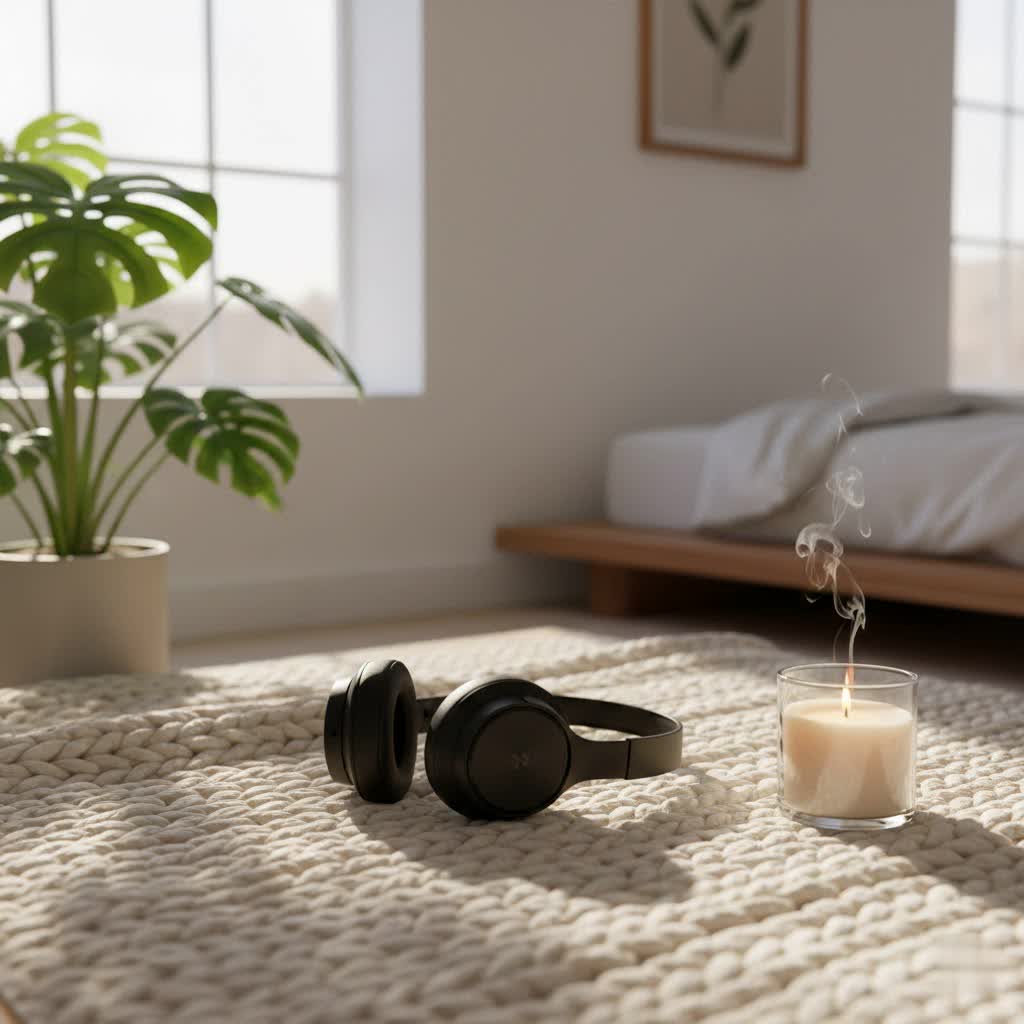
When exploring Bluetooth headphones for your Nintendo Switch, you’ll encounter various designs, each offering distinct advantages and considerations for gamers.
True Wireless Earbuds (TWS)
|
Our Picks for the Best Bluetooth Headphones in 2026
As an Amazon Associate I earn from qualifying purchases.
|
||
| Num | Product | Action |
|---|---|---|
| 1 | JBL Tune 720BT - Wireless Over-Ear Headphones with JBL Pure Bass Sound, Bluetooth 5.3, Up to 76H Battery Life and Speed Charge, Lightweight, Comfortable and Foldable Design (Black) |

|
| 2 | JBL Tune 720BT - Wireless Over-Ear Headphones with JBL Pure Bass Sound, Bluetooth 5.3, Up to 76H Battery Life and Speed Charge, Lightweight, Comfortable and Foldable Design (Purple) |
|
| 3 | Apple AirPods Pro 3 Wireless Earbuds, Active Noise Cancellation, Live Translation, Heart Rate Sensing, Hearing Aid Feature, Bluetooth Headphones, Spatial Audio, High-Fidelity Sound, USB-C Charging |
|
| 4 | JBL Tune 720BT - Wireless Over-Ear Headphones with JBL Pure Bass Sound, Bluetooth 5.3, Up to 76H Battery Life and Speed Charge, Lightweight, Comfortable and Foldable Design (Blue) |
|
| 5 | Memorex 3-in-1 Wireless Audio Bundle Triple Pack - MX-HSP3P-II(R) - Bluetooth Headphones - True Wireless Earbuds & Portable Bluetooth Speaker - Bluetooth 5.1 - Hands-Free Calls (Red) |
|
| 6 | BERIBES Bluetooth Headphones Over Ear, 65H Playtime and 6 EQ Music Modes Wireless Headphones with Microphone, HiFi Stereo Foldable Lightweight Headsets, Deep Bass for Home Office Cellphone PC Ect. |
|
| 7 | Apple AirPods 4 Wireless Earbuds, Bluetooth Headphones, Personalized Spatial Audio, Sweat and Water Resistant, USB-C Charging Case, H2 Chip, Up to 30 Hours of Battery Life, Effortless Setup for iPhone |
|
| 8 | JBL Tune 720BT - Wireless Over-Ear Headphones with JBL Pure Bass Sound, Bluetooth 5.3, Up to 76H Battery Life and Speed Charge, Lightweight, Comfortable and Foldable Design (White) |
|
| 9 | BERIBES Bluetooth Headphones Over Ear, 65H Playtime and 6 EQ Music Modes Wireless Headphones with Microphone, HiFi Stereo Foldable Lightweight Headsets, Deep Bass for Home Office Cellphone PC Ect. |
|
| 10 | BERIBES Bluetooth Headphones Over Ear, 65H Playtime and 6 EQ Music Modes Wireless Headphones with Microphone, HiFi Stereo Foldable Lightweight Headset, Deep Bass for Home Office Cellphone PC Ect. |
|
True Wireless Stereo (TWS) earbuds are renowned for their ultra-compact size and complete freedom from wires. They offer maximum portability and discretion, making them ideal for gaming on public transport or discreet sessions. However, their small form factor can sometimes limit battery life and they are generally easier to misplace. TWS earbuds are best suited for active users and those who prioritize convenience and freedom of movement above all else.
Over-Ear Bluetooth Headphones
Over-ear Bluetooth headphones, often referred to as “headsets” in gaming contexts, provide a more immersive audio experience. They typically feature larger drivers, delivering richer sound quality, and often come with superior passive or active noise cancellation (ANC) to block out distractions. Their design usually offers greater comfort for extended gaming sessions. The main drawbacks are their bulkier size, which makes them less portable, and potentially a higher price point. These are perfect for audiophiles and gamers who demand high-fidelity sound and deep immersion, especially during home gaming sessions.
Sport Bluetooth Headphones
Designed with durability and stability in mind, sport Bluetooth headphones are excellent for gamers who lead an active lifestyle or frequently play in environments where sweat or light splashes are a concern. They often feature water and sweat resistance, along with secure-fit designs like ear hooks or neckbands to ensure they stay in place during movement. While their primary focus is often ruggedness and fit, some models still offer impressive audio performance. These are most suitable for athletes or individuals who combine their gaming with workouts.
How to Connect Bluetooth Headphones to Your Nintendo Switch
Connecting your Bluetooth headphones to your Nintendo Switch has become significantly easier since a pivotal system update.
Native Bluetooth Connection (System Update 13.0.0+)
The Nintendo Switch gained native Bluetooth audio support with system update 13.0.0, released in September 2021. This means you no longer always need an adapter. To connect your headphones:
- Update Your Switch: Ensure your Nintendo Switch system software is version 13.0.0 or higher. You can check this in System Settings > System > System Update.
- Access System Settings: From the Switch Home Menu, select the “System Settings” gear icon.
- Navigate to Bluetooth Audio: Scroll down the left-hand menu until you find “Bluetooth Audio” and select it.
- Enter Pairing Mode on Headphones: Put your Bluetooth headphones into pairing mode. The method varies by device – it might involve holding a power button, opening a charging case, or a dedicated pairing button. Refer to your headphone’s manual if unsure.
- Pair Device on Switch: On the Switch screen, select “Pair Device” (or “Add Device”). The console will search for nearby Bluetooth devices.
- Select Your Headphones: Once your headphones appear in the list, select them to complete the connection. The Switch should confirm successful pairing.
Using a Bluetooth Adapter (Dongle)
While native Bluetooth is convenient, it comes with limitations. For a potentially better experience, especially concerning latency or microphone support, a USB-C Bluetooth adapter (often called a dongle) can be a valuable accessory. These adapters plug into the Switch’s USB-C port (or a USB-A port on the dock) and create a dedicated, often lower-latency, wireless connection, sometimes using 2.4GHz wireless protocols instead of standard Bluetooth. Types include USB-C, USB-A, or even 3.5mm Bluetooth adapters. To use one, simply plug the adapter into your Switch (or dock), put your headphones into pairing mode, and follow the adapter’s instructions for connection.
Understanding Nintendo Switch Bluetooth Limitations
It’s important to be aware of the inherent limitations of the Nintendo Switch’s native Bluetooth audio to manage expectations and avoid frustration.
- No Microphone Support: A significant limitation is that Bluetooth microphones are not supported for in-game voice chat. If you need to chat with friends, you’ll typically have to use the Nintendo Switch Online smartphone app, creating a separate audio stream for chat. Some specialized adapters or wired headsets with microphones offer alternatives.
- Controller Interference: When Bluetooth audio is active, the Switch can only connect to a maximum of two wireless controllers. This can be an issue for local multiplayer with more than two players.
- Local Wireless Disconnection: Bluetooth audio will be automatically disconnected if you engage in local wireless multiplayer with another Nintendo Switch console.
- Potential Audio Latency: Depending on your specific Bluetooth headphones and the game, you may experience some audio latency (delay between action and sound). While often negligible for casual games, it can be noticeable and distracting in rhythm games or fast-paced competitive titles.
- Wake-Up Issues: Some users have reported that their Nintendo Switch may take longer to wake from sleep mode when Bluetooth audio is actively paired.
Factors to Consider When Choosing Bluetooth Headphones for Nintendo Switch
Selecting the right Bluetooth headphones involves balancing various factors to match your gaming style and preferences.
Determine Your Usage Needs
Start by clarifying how you primarily use your Nintendo Switch. Are you a casual gamer who mostly plays single-player adventures in handheld mode? Or a competitive player who frequently docks their Switch for online multiplayer? Do you prioritize portability for commutes, or comfort for long, immersive sessions at home? Your answers will guide your choices, helping you decide whether sound quality, battery life, or a secure fit is most important.
Technical Specifications
Delving into technical specs can help you understand performance.
- Bluetooth Codecs: These determine how audio is transmitted. Basic codecs like SBC are universally supported but offer lower quality. AAC provides better quality, especially for Apple devices. For the best low-latency experience, look for headphones and adapters that support aptX Low Latency, though the Switch’s native Bluetooth does not support it.
- Drivers: The speaker components that produce sound. Dynamic drivers are common and versatile, while Balanced Armature drivers, often found in earbuds, can offer precise audio.
- Frequency Range: A typical range is 20Hz – 20kHz, representing the full spectrum of human hearing.
- Noise Cancellation: Active Noise Cancellation (ANC) uses microphones to block out ambient sounds, ideal for immersive gaming in noisy environments. Environmental Noise Cancellation (ENC) primarily focuses on improving microphone clarity, which is less relevant for the Switch’s native Bluetooth but important for other devices.
Reading Reviews and Comparisons
Before making a purchase, consult reviews from reputable tech and gaming websites, as well as user forums. Pay close attention to feedback specifically related to Nintendo Switch performance, focusing on latency, ease of connection, and sound quality. Comparing several models side-by-side against your specific criteria will help you find the best fit.
Brand and Price Considerations
While premium brands often offer superior quality and features, there are many excellent value options available. Consider your budget and look for brands with a strong reputation for audio quality and customer support. Remember that a higher price doesn’t always guarantee the “best” experience for your specific Switch needs, especially when factoring in the console’s inherent Bluetooth limitations.
Price Ranges for Nintendo Switch Bluetooth Headphones
Bluetooth headphones for the Nintendo Switch are available across a wide spectrum of prices, catering to different budgets and feature requirements.
Under $50
In this category, you’ll find entry-level Bluetooth headphones, typically true wireless earbuds or basic on-ear models. They are suitable for casual gamers with a limited budget who primarily need wireless audio for single-player games and aren’t overly concerned with premium sound quality or advanced features like active noise cancellation. Expect basic functionality and potentially some audio latency.
From $50 to $150
This mid-range segment offers a good balance of features, sound quality, and affordability. You’ll find more robust true wireless earbuds, comfortable over-ear headphones, and even some gaming-focused options with better audio codecs (if using an adapter) or dedicated gaming modes. Many popular mainstream brands have offerings here, providing a solid upgrade for most Switch players. For instance, the Razer Hammerhead True Wireless X Earbuds offer low-latency gaming mode within this price bracket.
Over $150
This premium category is where you’ll find high-fidelity audio, advanced noise cancellation, superior comfort, and specialized gaming features. These headphones often include proprietary low-latency wireless dongles (like Logitech’s Lightspeed or SteelSeries’ 2.4GHz wireless) for an optimal, lag-free experience when docked or in handheld mode with an adapter. Brands like Sony (e.g., WH-1000XM5) and SteelSeries (e.g., Arctis Nova 7X) offer top-tier products here, ideal for serious gamers and audiophiles who demand the absolute best in sound and performance.
Top Bluetooth Headphone Picks for Nintendo Switch
Based on performance, features, and compatibility, here are some highly-regarded Bluetooth headphone options that enhance your Nintendo Switch experience:
- Logitech G735 Wireless Gaming Headset: This headset stands out for its versatility, offering both Bluetooth and Logitech’s Lightspeed 2.4GHz wireless via an included dongle. The dongle provides ultra-low latency, making it an excellent choice for competitive docked play, while Bluetooth offers convenience for handheld mode. It also boasts comfort and stylish RGB lighting.
- Sony WH-1000XM5: While not specifically a “gaming headset,” these over-ear headphones are renowned for their industry-leading active noise cancellation and exceptional audio quality. If your priority is immersive sound and blocking out the world while playing your Switch in handheld mode, especially on the go, the WH-1000XM5s are a premium choice.
- SteelSeries Arctis Nova 7X: A fantastic hybrid solution, the Arctis Nova 7X provides dual connectivity with a USB-C transmitter for a robust, ultra-low-latency 2.4GHz connection to the docked Switch, alongside standard Bluetooth. This makes them incredibly versatile for both docked and handheld play, offering great sound and comfort.
- Razer Hammerhead True Wireless X Earbuds: For budget-conscious gamers looking for earbuds, these offer a dedicated low-latency gaming mode and Bluetooth 5.2 connectivity. They provide excellent value, making them a strong contender for casual gaming on the go without breaking the bank.
- Corsair HS70 Bluetooth: This headset is often highlighted for its ability to integrate well with the Nintendo Switch Online app for voice chat. If seamless game audio from your Switch and chat audio from your phone is a priority, the HS70 Bluetooth offers a compelling solution.
“The key to truly enjoying wireless audio on your Nintendo Switch lies in understanding its limitations and choosing headphones that either work well within those constraints or bypass them with smart adapter solutions.” – Alex Smith, Tech Audio Reviewer
Conclusion
Embracing Bluetooth headphones for your Nintendo Switch gaming can dramatically enhance your experience, offering unmatched freedom and immersion. While the Switch’s native Bluetooth connectivity provides a convenient wireless audio solution, it’s crucial to be mindful of its limitations, particularly regarding microphone support and potential latency. By understanding the different types of headphones available, mastering the connection process, and considering essential factors like technical specifications and usage needs, you can confidently select the perfect pair. Whether you opt for compact true wireless earbuds, comfortable over-ear headphones, or a specialized gaming headset with a low-latency adapter, the right choice will allow you to fully dive into the rich soundscapes of your favorite Nintendo Switch games. Ready to cut the cords and truly immerse yourself in the world of wireless gaming?
Frequently Asked Questions
Can I use any Bluetooth headphones with my Nintendo Switch?
Yes, generally, any Bluetooth-enabled headphones can connect to your Nintendo Switch, provided your console is running system update 13.0.0 or newer. However, performance can vary, especially concerning audio latency and feature support.
Do Bluetooth headphones have latency issues on the Switch?
Some Bluetooth headphones may experience audio latency when connected to the Nintendo Switch’s native Bluetooth. This delay between visual action and corresponding sound can be more noticeable in fast-paced games. Using a dedicated USB-C 2.4GHz wireless adapter can significantly reduce latency.
Can I use the microphone on my Bluetooth headphones for voice chat on Nintendo Switch?
No, the Nintendo Switch does not natively support Bluetooth microphones for in-game voice chat. For games that support voice chat, you typically need to use the Nintendo Switch Online smartphone app and a separate audio solution for chat.
What is the best way to get low-latency audio for my Nintendo Switch?
For the lowest latency, especially for competitive gaming, it is generally recommended to use a gaming headset that comes with a dedicated 2.4GHz wireless USB-C dongle. These adapters bypass the standard Bluetooth connection for a faster, more stable audio stream.
Does Bluetooth audio affect battery life on the Nintendo Switch?
Using Bluetooth audio does consume additional power, which can slightly reduce the overall battery life of your Nintendo Switch compared to playing with no external audio or using wired headphones. The impact is usually minor but can be noticeable during extended gaming sessions.
